Evaluating Abstract Shape 12 for Modern Design Projects: A Practical Guide
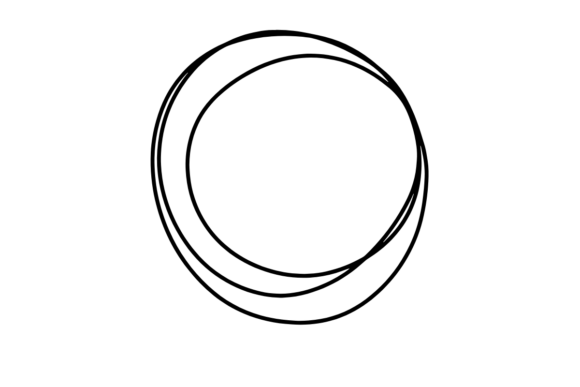
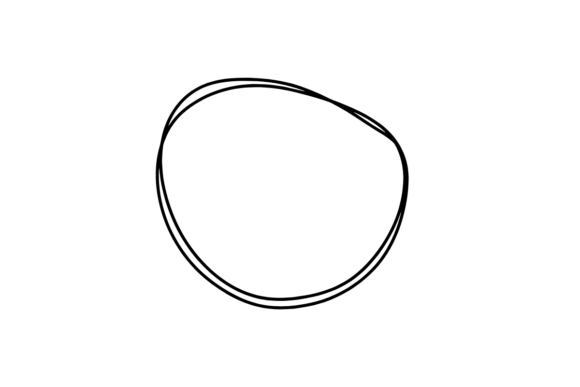
In the evolving landscape of digital design, the shift toward organic minimalism has created a high demand for assets that feel handcrafted yet remain technically precise. Abstract Shape 12 represents a specific iteration within this category, characterized by its double-lined, hand-drawn circular form. For designers, hobbyists, and small business owners evaluating resources for branding or home decor, understanding the nuances of this specific graphic is essential. It is not merely a circle; it is a stylistic choice that balances imperfection with structure. This article explores the distinct attributes of Abstract Shape 12, compares it to alternative design approaches, and helps you determine if this asset aligns with your specific project requirements.
Defining the Aesthetic and Technical Profile
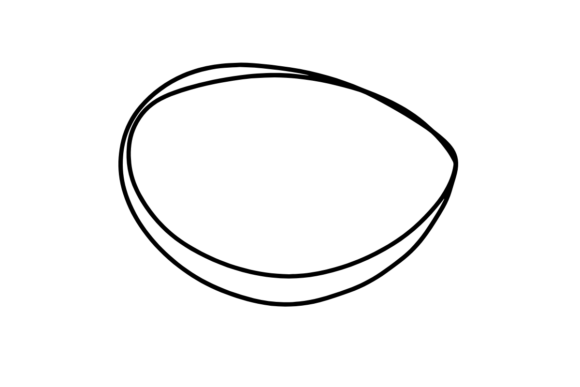
At its core, Abstract Shape 12 is defined by its "double-lined" construction. Unlike a standard geometric circle generated by software, which possesses a uniform stroke weight and perfect symmetry, this design mimics the natural variance of a human hand. The two lines do not run perfectly parallel; they breathe, widen, and narrow slightly, creating an organic rhythm. This subtle irregularity is what infuses the design with a contemporary, approachable feel.
From a technical standpoint, the value of Abstract Shape 12 lies in its file format. Delivered as a high-precision SVG (Scalable Vector Graphics) file, it offers resolution independence. This means the graphic can be scaled from a tiny planner sticker to a large-scale wall mural without any loss of quality or pixelation. For users operating cutting machines like Cricut, Silhouette, or ScanNCut, the vector path is critical. A clean SVG ensures that the blade follows the double lines smoothly, preventing jagged edges or unnecessary weeding time that often plagues lower-quality raster images converted to vectors.
Comparative Analysis: Organic Vectors vs. Geometric Alternatives
When selecting a framing element or background graphic, creators often weigh organic shapes against strict geometric alternatives. Understanding where Abstract Shape 12 fits in this spectrum is vital for making an informed decision.
- Geometric Perfection: Standard circles or squares offer a sense of stability and corporate professionalism. They are ideal for industries requiring absolute precision, such as engineering or finance. However, in lifestyle branding, wellness, or artisanal markets, these shapes can feel cold or impersonal.
- Single-Line Sketches: Many free resources offer single-line doodles. While these are popular, they can sometimes appear too simplistic or juvenile depending on the line weight. Abstract Shape 12's double-line structure adds a layer of sophistication and visual weight, making it suitable for more elevated applications like wedding invitations or premium packaging.
- Complex Illustrations: On the other end of the spectrum are highly detailed floral or abstract illustrations. While visually striking, these can overwhelm a layout or clash with photography. Abstract Shape 12 serves as a "quiet" element—it frames content without competing for attention.
The trade-off with Abstract Shape 12 is specificity. Because it has a distinct hand-drawn style, it may not suit brands aiming for a futuristic or ultra-modern tech aesthetic. It thrives in environments that value humanity, warmth, and craftsmanship.
Strategic Applications Across Different Mediums
The versatility of Abstract Shape 12 allows it to function effectively across various mediums, but its impact varies depending on the application. Here is how the design performs in key categories:
Branding and Digital Identity
In logo design, negative space is a powerful tool. The double-lined circle of Abstract Shape 12 creates a natural container for monograms or icons. When used as a frame for social media highlights, it provides a cohesive look that feels curated rather than templated. Compared to solid color blocks, this outline style allows the background image or color to show through, maintaining visual lightness. However, designers must ensure sufficient contrast between the line color and the background to maintain legibility, especially on smaller mobile screens.
Apparel and Merchandise
For apparel, particularly minimalist T-shirts and tote bags, the simplicity of this shape is a strength. It works exceptionally well for screen printing and embroidery. In embroidery, the double line offers a clear guide for stitching patterns, allowing for creative fills like satin stitches or running stitches between the lines. A potential limitation to consider is scale; if shrunk too small for a chest pocket logo, the gap between the two lines might close up during the printing or stitching process, turning the double line into a single thick line. Testing a sample at the intended size is always recommended.
Home Decor and Personalization
The trend of personalized home goods has surged, and Abstract Shape 12 is well-suited for this market. Whether etched onto glassware or printed on pantry labels, the organic line suggests a custom, boutique touch. When used for wall art, the shape acts as a modern mandala. Its open center invites layering with typography or botanical illustrations. Unlike dense patterns that can date quickly, this minimalist approach tends to have a longer shelf life in interior design trends.
Stationery and Paper Goods
In the realm of stationery, texture and subtlety are paramount. For wedding invitations or business cards, Abstract Shape 12 can be used as a watermark or a border element. Its hand-drawn nature pairs beautifully with textured paper stocks, enhancing the tactile experience of the card. When designing planner stickers, the vector format ensures crisp cuts even on intricate die-cut machines. One consideration here is ink usage; if printing at home, ensure your printer settings are optimized for fine lines to avoid bleeding, which could obscure the delicate gap between the double lines.
Decision Factors: When to Choose This Asset
Selecting the right design resource involves evaluating your project's goals against the asset's capabilities. Abstract Shape 12 is likely the right choice if:
- You need versatility: You require a single asset that can work for both digital overlays and physical cutting projects.
- Your brand voice is approachable: You want to convey warmth, creativity, or artisanal quality rather than corporate rigidity.
- You prioritize scalability: Your project involves resizing the graphic frequently across different platforms and materials.
- You value editing flexibility: As an SVG, the paths can be manipulated in vector software to adjust line thickness or separate the lines if needed.
Conversely, you might consider alternative options if your project demands heavy shading, complex textures, or a strictly rigid, machine-made aesthetic. Additionally, if your target audience associates hand-drawn elements with informality and your sector requires strict authority (e.g., legal or medical fields), a more structured geometric shape might communicate trust more effectively.
Maximizing the Potential of Vector Formats
To fully leverage Abstract Shape 12, familiarity with vector editing software is beneficial, though not strictly necessary for basic use. Users utilizing cutting machines should verify that the SVG layers are grouped correctly upon import. Sometimes, double-lined designs can be interpreted as two separate objects, which may require ungrouping and welding depending on the desired cut effect. For graphic designers using tools like Adobe Illustrator or Affinity Designer, the anchor points of the hand-drawn lines offer opportunities for customization. You can alter the stroke profile to exaggerate the hand-drawn feel or simplify the path to make it more uniform.
Furthermore, when layering this shape over photography, blending modes such as "Multiply" or "Overlay" can integrate the lines naturally into the image, making the frame feel like part of the photo rather than a sticker placed on top. This technique is particularly effective for creating sophisticated marketing materials where the boundary between the product and the branding needs to feel seamless.
Final Considerations for Project Success
In conclusion, Abstract Shape 12 serves as a robust foundation for a wide array of creative endeavors. Its strength lies in the balance between the organic imperfection of a hand-drawn sketch and the technical reliability of a professional vector file. While it may not be the universal solution for every design challenge—particularly those requiring rigid geometry or high complexity—it excels in contexts that value modern minimalism and human touch.
Before integrating this asset into a final product, always test its performance in your specific workflow. Whether you are cutting vinyl, embroidering fabric, or printing high-resolution brochures, verifying how the double lines render at your specific scale will ensure the best possible outcome. By understanding both the capabilities and the limitations of Abstract Shape 12, you can make a strategic decision that enhances your project's visual identity without compromising on quality or functionality.