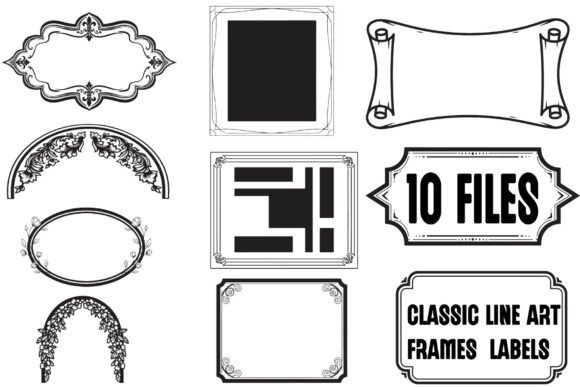
Mastering Classic Vintage Line Art Frames and Deco for Professional Designs
There is a timeless appeal to Classic Vintage Line Art Frames and Deco that modern, flat design trends simply cannot replicate. Whether you are crafting wedding invitations, designing product packaging, or building a brand identity, these elegant elements add a layer of sophistication and history to your work. However, many creators rush into using these assets without fully understanding the technical nuances, often leading to frustrating results like pixelated prints or uneditable files. To truly elevate your projects, it is essential to approach this collection not just as a set of images, but as a versatile toolkit requiring the right strategy.
The primary allure of this style lies in its clean black-and-white aesthetic. It offers a neutral yet striking foundation that allows your content to shine. Yet, a common misunderstanding among beginners is treating all file formats within the collection as equal. You might be tempted to grab the first file you see, perhaps a JPG, and assume it will work for every scenario. This oversight can significantly impact the quality of your final output. For instance, using a raster image like a JPG for a large-scale banner or a high-end print job can result in jagged edges and loss of detail when resized. The solution is to understand the specific strengths of each format included in the Classic Line Art Frames Labels Collection.
Navigating File Formats for Optimal Quality
One of the most frequent mistakes designers make is ignoring vector formats entirely. When you download this collection, you receive SVG, EPS, and PDF files alongside standard PNG and JPG images. If you are working on branding materials like logos or business cards, skipping the vector files is a critical error. Vector formats, such as SVG and EPS, are mathematically defined paths rather than grids of pixels. This means you can scale them from the size of a postage stamp to a billboard without losing a single ounce of sharpness.
Consider a scenario where a small business owner uses a PNG frame for their product label. Initially, it looks fine on the screen. However, once sent to a professional printer, the edges appear fuzzy, making the brand look amateurish. By contrast, utilizing the EPS files provided in this set ensures that the intricate deco details remain crisp regardless of the output size. Professionals always prioritize vectors for print-ready projects. If you do not have access to advanced software like Adobe Illustrator or CorelDRAW, do not despair; free tools like Inkscape can handle these files effectively, allowing you to edit and resize with precision.
Another overlooked detail is the utility of transparent backgrounds. While JPGs are universal, they come with a white background that can clash with colored paper or digital overlays. The PNG files in this collection feature transparent backgrounds, which are indispensable for digital projects like social media graphics or website headers. Failing to use the PNG version often forces designers to waste time manually removing backgrounds in photo editing software, a step that is entirely unnecessary if you select the correct file from the start.
Avoiding Style Clashes and Context Errors
Beyond technical specifications, the artistic application of Classic Vintage Line Art Frames and Deco requires a keen eye for context. A frequent pitfall is pairing these ornate, historical frames with overly modern or clashing typography. The elegance of the deco style relies on harmony. If you place a delicate, swirling vintage frame around a bold, neon-colored sans-serif font, the result can feel disjointed and confusing to the viewer. The frame should complement the content, not fight against it.
To avoid this, take a moment to evaluate the mood of your project before inserting a frame. For wedding stationery or certificates, pair these frames with serif fonts or elegant scripts that mirror the curvature of the line art. For branding purposes, ensure the thickness of the lines in the frame matches the weight of your logo text. Consistency creates trust. When the visual language is unified, the communication becomes clearer, and the perceived value of your product or service increases.
Furthermore, do not underestimate the power of negative space. Because these designs are created in a clean black-and-white line art style, they thrive on simplicity. Overcrowding the frame with too much text or additional graphical elements diminishes the impact of the border itself. Let the frame breathe. Use it to draw the eye inward to the most important part of your message, whether that is a date on an invitation or a key selling point on a packaging label.
Practical Steps for Implementation and Editing
Getting started with this collection is straightforward, but a structured approach saves time and prevents errors. Before you begin designing, organize your downloaded files. You will find ten variations of each format, giving you ample choice. Start by identifying your end goal. Is this for a digital blog post? Then the PNG or JPG files are likely sufficient. Is it for a physical flyer or a scalable logo? Immediately navigate to the SVG or EPS folder.
When editing vector files, remember that "fully editable" means you can change more than just the size. You can alter line weights, break apart grouped elements to isolate specific corners or flourishes, and even recolor the lines if your project demands it. Many users treat these frames as static images, missing the opportunity to customize them to fit their unique brand palette. For example, changing a black line to a deep navy or gold can transform the feel of the frame while maintaining its structural integrity.
For those new to vector software, the learning curve can seem steep. However, the basic workflow remains consistent: open the file, ungroup the elements if necessary, and manipulate the anchor points. If you encounter difficulties, numerous online tutorials exist specifically for handling SVG and EPS files in both paid and free software. Investing a small amount of time to learn these basics pays dividends in the flexibility it offers your future projects.
Making the Right Choice for Your Project
Ultimately, the value of the Classic Vintage Line Art Frames and Deco collection lies in its versatility and professional-grade quality. By avoiding the trap of using low-resolution files for high-stakes prints and by respecting the stylistic heritage of the deco aesthetic, you can produce work that stands out. Always check your file types before sending work to print or publishing online. Ensure your resolution matches the medium, and let the clean lines of these frames do the heavy lifting in establishing a tone of elegance and authority.
Whether you are a freelancer looking to expand your asset library, a small business owner creating your own marketing materials, or a hobbyist passionate about scrapbooking, this collection provides the foundational elements needed for success. The key is intentionality. Choose the right format, respect the design principles, and leverage the scalability of vector graphics. With these practices in mind, your designs will not only look professional but will also stand the test of time, much like the vintage styles that inspired them.