Unlocking the Potential of Surreal Geometric Sakura Digital Paper for Modern Design
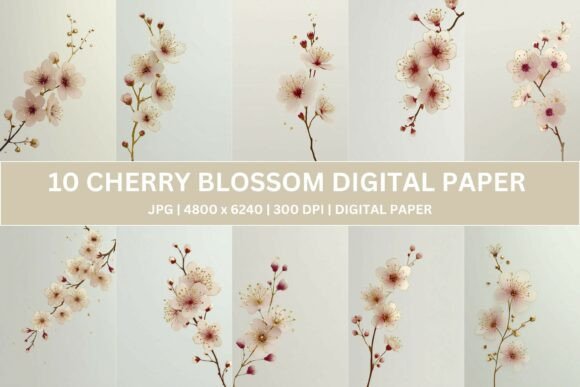
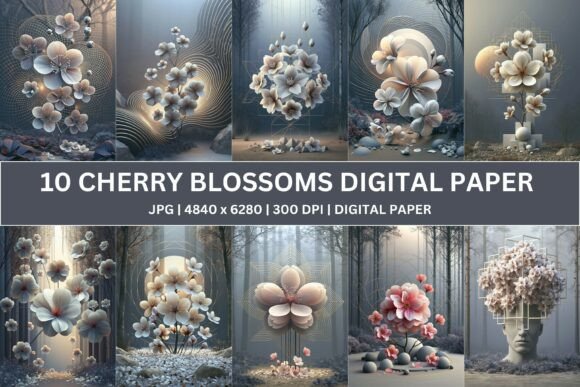
Step into an ethereal, gallery-worthy dreamscape where nature meets architecture. The Surreal Geometric Sakura Digital Paper collection represents a significant shift in how we approach digital backgrounds and textural design. This set of 10 premium papers breaks the mold of traditional floral motifs by merging high-definition, satin-textured cherry blossoms with sharp, modern 300-degree geometric structures. Each design functions as an individual piece of surreal art, featuring pristine ivory and muted pink blossoms balanced perfectly alongside floating stone pebbles, 3D architectural columns, and complex, gleaming gold wireframes. Set against misty, atmospheric woodlands, these professional 300 DPI high-resolution backgrounds provide an incredible sense of depth, zen tranquility, and intellectual luxury.
However, working with such distinct, high-concept assets requires a nuanced approach. Many creators, from junk journal enthusiasts to professional web designers, often stumble not because the asset is flawed, but because they apply standard workflows to non-standard designs. To truly elevate your craft, it is essential to understand the specific characteristics of this collection and avoid common pitfalls that can diminish its impact.
Misunderstanding Resolution and Scale in Complex Textures
One of the most frequent errors occurs when users treat all "digital paper" as interchangeable regarding resolution and scaling. With the Surreal Geometric Sakura series, the intricate details—such as the gleaming gold wireframes and the fine texture of the stone pebbles—are critical to the aesthetic. A common mistake is stretching these images beyond their intended limits or using them at low resolutions for large-format prints.
When you compress or upscale a file incorrectly, the sharp lines of the 3D architectural columns can become pixelated or blurry, destroying the illusion of depth. This negatively affects the perceived quality of your final product, whether it is a canvas hanging or a phone wrap. Always verify that you are utilizing the native 300 DPI files provided. If you are designing for a large format, such as a wall mural or a oversized scrapbook layout, check the pixel dimensions before placing the image in your software. Do not rely on software interpolation to fix size issues; instead, plan your layout around the native strength of the image to maintain that crisp, professional finish.
Clashing Aesthetics in Junk Journaling and Scrapbooking
For junk journalers and scrapbookers, the temptation is often to mix too many competing patterns on a single spread. The Surreal Geometric Sakura collection is bold and structurally complex. Using it as a background for equally busy ephemera can result in a chaotic, visually exhausting page where nothing stands out.
The better approach is to let these papers act as the structural foundation or the "hero" element. If you are creating a signature page for a Modern Mystic themed journal, use the geometric wireframe as a focal point and pair it with solid-colored cardstock or simple, handwritten notes. For architecture travel memories, allow the 3D columns in the paper to frame your photographs rather than competing with them. Remember, the goal of this collection is to evoke zen tranquility and intellectual luxury. Overcrowding the design contradicts this purpose. Use white space intentionally to let the misty woodland atmosphere breathe.
Overlooking Color Harmony in Digital Planning
Digital planners thrive on clarity and usability. A significant oversight happens when creators apply high-contrast, textured backgrounds like these to dashboard covers or tracking templates without adjusting the foreground elements. The muted pinks and ivories in the Surreal Geometric Sakura set are beautiful, but if your text or hyperlinks do not have sufficient contrast against the satin-textured blossoms, readability suffers.
To avoid this, always test your legibility. If the background features complex gold wireframes, consider placing a semi-transparent overlay behind your text boxes. This ensures that your abstract botanical tracking templates remain functional while still showcasing the artistic background. Transform your layouts by treating the paper as an atmospheric layer rather than just a colorful fill. This small adjustment preserves the calming aesthetic while ensuring your planner remains a practical tool for daily organization.
Neglecting Print Specifications for POD Products
Print-on-Demand (POD) entrepreneurs often assume that a digital file ready for screen viewing is automatically ready for physical production. This is a costly misunderstanding. When applying these textures to hardcase phone wraps or artistic notebook covers, color profiles matter immensely. Screens display in RGB, while printers use CMYK. The gleaming gold elements in the design may appear dull or shift to a muddy brown if the color profile is not managed correctly before upload.
Before listing products, convert your files to the specific color profile required by your POD provider. Additionally, pay close attention to bleed areas. Because the geometric structures in this collection often extend to the edges or feature floating elements near the border, improper cropping can cut off essential parts of the 3D architecture. Preview your mockups carefully to ensure the composition remains balanced once the physical margins are applied. Giving everyday products a fine-art aesthetic requires this extra level of technical diligence.
Branding and Stationery: Context is Key
For stationery branding, particularly contemporary wedding suites or photography business cards, the risk lies in misjudging the tone. While the Surreal Geometric Sakura collection offers sophistication, it is distinctly avant-garde. Using it for a traditional, rustic, or overly playful brand identity can create a disconnect that confuses potential clients.
Ensure the visual language of the paper aligns with your brand message. These designs are perfect for architectural firms, minimalist boutiques, or high-end artistic portfolios where "intellectual luxury" is a selling point. If you are designing a minimalist product packaging insert, use the paper sparingly—perhaps as a lining or a single accent panel—rather than wrapping the entire box. This creates a moment of surprise and delight without overwhelming the unboxing experience.
Final Checks Before You Create
Before integrating these assets into your workflow, take a moment to evaluate your specific needs:
- Check the License: Ensure your intended use, especially for commercial POD items, complies with the creator's terms.
- Test Print Samples: Never run a large batch of physical goods without printing a single proof to check color accuracy and texture rendition.
- Assess Contrast: Zoom out on your digital designs. Can you still distinguish the geometric shapes from the floral elements? If not, simplify the foreground.
- Match the Mood: Does the ethereal, dreamlike quality of the paper support the story you are trying to tell in your journal or website?
By respecting the unique qualities of the Surreal Geometric Sakura Digital Paper and avoiding these common technical and aesthetic traps, you can produce work that truly stands out. Whether you are leveling up your web backgrounds with misty atmospheric depth or crafting a sophisticated canvas hanging, the key lies in balance and intention. Let the fusion of nature and geometry guide your design choices toward clarity and elegance.