Decoding the Modern NSP Architecture Logo: A Blueprint for Brand Identity
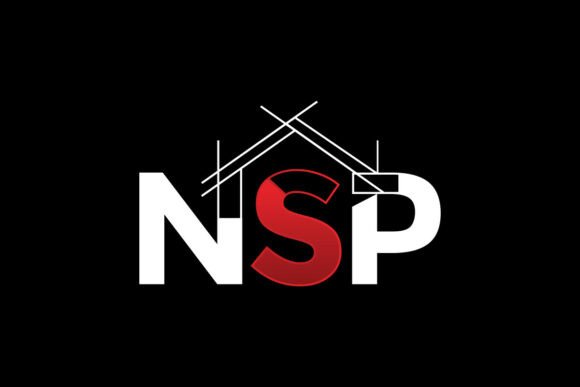
In the competitive landscape of construction, engineering, and property development, a logo is far more than a decorative graphic. It is the foundational cornerstone of a brand's identity. When we examine a Modern NSP Architecture Logo Design, specifically one utilizing a minimal red and white monogram with a roofing concept, we are looking at a sophisticated visual tool designed to communicate stability, precision, and innovation. This article explores the anatomy of such a design, explaining why specific elements like geometric typography and color psychology matter, and how they translate into real-world business success.
The Power of the Monogram in Professional Branding
At the heart of this design concept lies the monogram. For architecture firms and construction companies, initials often carry more weight than full names because they suggest established authority and timelessness. The "NSP" configuration is not merely a collection of letters; it is a structural entity. In modern logo design, the goal is to transform these three characters into a cohesive unit that feels engineered rather than drawn.
A strong monogram concept relies on geometric typography. Unlike script fonts that suggest fluidity or serif fonts that hint at tradition, geometric sans-serif typefaces convey mathematical precision. This is crucial for an architecture brand. When a potential client sees sharp lines and perfect angles in a logo, they subconsciously associate those traits with the company's ability to deliver structurally sound buildings. The letters "N" and "P" in this specific design are rendered in clean white, maintaining a premium and corporate aesthetic that speaks to reliability.
Integrating Industry Symbols: The Roofing Outline
One of the most effective strategies in niche branding is the subtle integration of industry-specific symbols. In the case of the NSP design, a roofing structure outline is integrated above the letters. This is a masterclass in semiotics—the study of signs and symbols. By placing a roofline over the text, the logo instantly categorizes the business. It tells the viewer, without using a single word, that this company deals with shelter, construction, and overhead protection.
However, the execution is key. A clumsy addition of a house icon can make a brand look generic or amateurish. The modern approach involves weaving the roofline into the negative space or the upper terminals of the letters themselves. This symbolizes architectural precision and structural design. It suggests that the roofing element is not an afterthought but an integral part of the foundation, much like the services the company provides.
Color Psychology: Why Red and White?
Color is perhaps the most immediate emotional trigger in visual design. The choice of a red accent "S" against clean white "N" and "P" letters is a deliberate psychological strategy. Let us break down why this combination works so well for engineering brands and real estate branding.
- White: Represents clarity, space, and cleanliness. In architecture, white space is essential. It suggests a blank canvas ready for creation and implies a transparent, honest business practice.
- Red: Is the color of energy, passion, and action. It commands attention. By isolating the "S" in red, the designer creates a dynamic focal point. It breaks the monotony and adds a sense of power and urgency.
- Contrast: The high contrast between red and white ensures visibility. Whether on a dusty construction site sign or a sleek digital tablet, the logo remains legible.
This specific color palette avoids the overuse of blue, which is common in corporate settings but can sometimes feel cold or impersonal. The red injects humanity and drive into the brand, suggesting that while the company builds with precision, they do so with passion.
Versatility Across Mediums
A common misunderstanding among business owners is that a logo only needs to look good on a website. In reality, a professional logo must be scalable and adaptable. The NSP architecture concept is described as a flat vector design, which is the gold standard for versatility.
Consider the various touchpoints a construction company has:
- Business Cards: The minimal design ensures clarity even when printed small.
- Signage: The bold geometry stands out on large building wraps or office fronts.
- Digital Use: As an SVG or HD PNG, the logo loads quickly and looks crisp on retina displays.
- Safety Gear: The high-contrast red and white work beautifully on dark backgrounds, such as navy blue uniforms or black hard hats.
The availability of editable vector files (AI, EPS) means that the logo can be resized infinitely without losing quality. This is non-negotiable for property development companies that may need to plaster their logo on everything from a pen to a skyscraper.
The Significance of Minimalism in Modern Design
We live in an era of information overload. Consumers are bombarded with complex visuals daily. This is why the minimal style of the NSP logo is so significant. Minimalism is not about lacking detail; it is about removing the unnecessary to highlight the essential.
For a roofing business or an engineering firm, a cluttered logo can imply a cluttered workflow. A clean, flat vector logo suggests efficiency. It tells the client, "We strip away the complications to deliver a solid result." This design philosophy aligns perfectly with the values of modern architecture, where form follows function.
Building Trust Through Visual Consistency
Ultimately, the purpose of investing in a high-quality, professional logo design is to build trust. When a client sees a polished, thoughtfully constructed brand mark, they infer that the company applies the same level of care to their projects. The structural design of the logo mirrors the structural integrity of the buildings the firm constructs.
Furthermore, in the digital age, your logo is often the first interaction a customer has with your brand. If that first impression is pixelated, outdated, or confusing, it creates friction. A modern, professional NSP logo eliminates this friction, paving the way for a smoother client relationship.
Conclusion: More Than Just a Graphic
The Modern NSP Architecture Logo Design is a prime example of how strategic thinking translates into visual art. By combining bold geometric typography with a subtle roofing outline and a powerful red accent, it creates a narrative of strength, precision, and dynamism. It serves as a versatile asset for architecture firms, construction companies, and real estate brands looking to establish a dominant presence in the market.
Whether displayed on a dark background signage or a crisp white letterhead, this design proves that simplicity, when executed with expertise, is the ultimate sophistication. For any business in the built environment, adopting such a refined visual identity is not just an aesthetic choice—it is a strategic business decision that lays the groundwork for future growth and recognition.