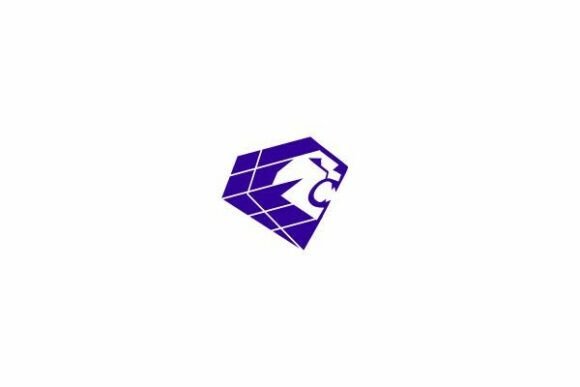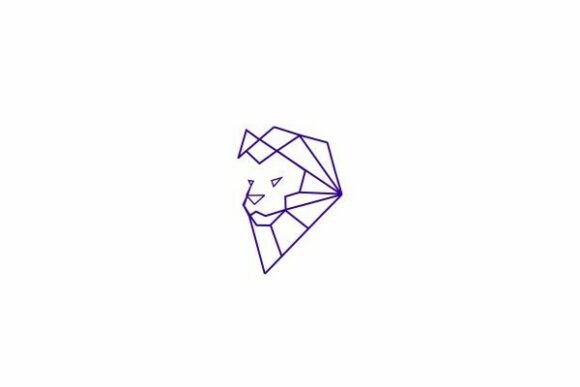
Evaluating the Geometric Lion Head Polygon Vector Logo for Modern Brand Identity
In the evolving landscape of brand identity, the choice of visual style often dictates how a business is perceived before a single word is read. Among the various design trends emerging in recent years, the Geometric Lion Head Polygon Vector Logo has established itself as a distinct and powerful option for organizations seeking to project authority and modernity. This specific design approach transforms the traditional depiction of a lion—a universal symbol of strength, courage, and leadership—into a structured, low-poly composition defined by clean angular lines and precise triangular facets. Unlike organic or hand-drawn illustrations, this style relies on mathematical precision and geometric construction to create a side-profile visage that balances raw power with refined elegance.
For decision-makers evaluating logo options, understanding the nuances of this format is essential. It is not merely an aesthetic preference but a strategic choice that impacts scalability, application versatility, and brand messaging. This article explores the characteristics of the geometric polygon style, compares it against alternative design approaches, and outlines the specific scenarios where this format offers the most value.
Defining the Aesthetic: Structure Over Organic Flow
The core distinction of a Geometric Lion Head Polygon Vector Logo lies in its construction. Rather than utilizing smooth curves, gradients, or realistic shading, the image is built entirely from interconnected line segments and flat planes. This "low-poly" technique mimics the wireframe models used in 3D computer graphics but flattens them into a two-dimensional vector format. The result is a faceted representation where light and shadow are implied through the angle and density of the polygons rather than painted on.
This approach creates a visual language that speaks to precision and engineering. When a viewer sees a lion rendered in sharp triangles, the subconscious association shifts from "wild animal" to "calculated strength." The design exudes a sense of control and sophistication, making it particularly effective for sectors where trust and stability are paramount. The clean lines ensure that the logo remains legible even at small sizes, a critical factor for digital applications such as app icons or social media avatars.
Comparative Analysis: Polygon vs. Traditional Styles
When selecting a logo style, it is helpful to compare the geometric polygon approach against other common categories to understand its unique tradeoffs.
Polygon vs. Realistic Illustration
Realistic lion logos often feature detailed fur textures, complex shading, and organic contours. While these can be striking in large formats, they frequently suffer from loss of detail when scaled down. A Geometric Lion Head Polygon Vector Logo, by contrast, maintains its structural integrity regardless of size. The simplification inherent in the low-poly style removes visual noise, ensuring the core shape of the lion remains recognizable on a business card or a mobile screen. However, if a brand requires a warm, approachable, or heritage-focused feel, the sharp angles of a polygon design might appear too cold or corporate compared to a soft, realistic portrait.
Polygon vs. Minimalist Line Art
Minimalist line art uses continuous, flowing strokes to suggest a form. This style is elegant and trendy but can sometimes lack the visual weight needed to convey dominance. The polygon style offers a middle ground; it is minimalist in its lack of clutter but retains significant visual mass through its filled facets and bold geometry. For industries like security, finance, or competitive sports, the heavier visual presence of the polygon lion often communicates authority more effectively than delicate line work.
Polygon vs. Mascot Styles
Mascot logos typically involve cartoonish or exaggerated characters designed to be friendly and memorable. While excellent for consumer goods targeting families or children, mascots can undermine a premium positioning. The geometric lion avoids this pitfall entirely. Its abstract nature keeps the focus on the concept of the lion rather than a specific character personality, allowing it to serve as a timeless emblem rather than a fleeting trend.
Strategic Fit: Industries and Use Cases
The versatility of the Geometric Lion Head Polygon Vector Logo makes it suitable for a wide array of industries, though it shines brightest in specific contexts where modern sophistication is a key brand pillar.
- Financial and Legal Institutions: The structured nature of the design aligns well with firms that need to project stability, logic, and unwavering strength. The sharp angles suggest precision and attention to detail.
- Tech and Esports: The low-poly aesthetic has strong roots in gaming and digital culture. For esports organizations or software companies, this style feels native to the industry while elevating the brand above generic gaming tropes.
- Fitness and Performance: Gyms and athletic brands benefit from the aggressive, dynamic energy of the faceted lion. It conveys power and movement without appearing outdated.
- Luxury and Lifestyle: High-end men's grooming lines, fashion labels, or private clubs can utilize this design to signal exclusivity. The minimalist execution suggests a confidence that does not need to shout.
- Security and Defense: The vigilant side-profile of the lion, rendered in a fortress-like geometric structure, naturally complements security firms looking to emphasize protection and vigilance.
Technical Advantages and Scalability
One of the most practical arguments for choosing this style is its technical foundation. Delivered as a vector file, the artwork is resolution-independent. This means the logo can be scaled from a tiny favicon to a massive billboard without any pixelation or loss of quality. This is a significant advantage over raster-based designs (like JPEGs or PNGs created in Photoshop), which degrade when enlarged.
Furthermore, the clean construction of a polygon logo simplifies production processes. For physical merchandise, such as embroidered apparel, engraved metal plates, or etched glass, the clear separation of shapes and lines allows for easier translation into physical materials. Complex gradients or fine details in realistic logos often become muddy in embroidery or difficult to cut in vinyl; the bold facets of a geometric lion avoid these manufacturing headaches.
Customization and Adaptability
A high-quality Geometric Lion Head Polygon Vector Logo is not a static asset; it is a flexible system. Because the design is composed of editable vector paths, designers can easily manipulate line weights, adjust the density of the polygons, or alter the color palette to match specific brand guidelines.
For example, a financial firm might opt for a monochromatic navy blue scheme to emphasize trust, while a fitness brand might choose high-contrast black and white for maximum impact. The modular nature of the geometric shapes also allows for creative variations, such as isolating specific facets for use as secondary patterns in marketing materials or website backgrounds. This level of adaptability ensures the logo can grow and evolve with the brand.
Limitations and Decision Factors
While the benefits are substantial, this style is not a universal solution. Decision-makers should consider potential limitations before committing.
The primary tradeoff is emotional warmth. The sharp, angular nature of low-poly design can feel impersonal or severe. If a brand's core value proposition revolves around community, nurturing, or softness, a geometric lion might send the wrong message. Additionally, because the low-poly trend has gained popularity, there is a risk of saturation in certain markets, particularly in tech and gaming. To mitigate this, customization is key; relying on a generic template without unique adjustments to the facet arrangement or proportion can result in a logo that looks indistinguishable from competitors.
Readers should also evaluate their long-term branding goals. While the geometric style is currently modern, trends do shift. However, due to its roots in fundamental geometry rather than fleeting decorative styles, a well-constructed polygon logo tends to age better than highly stylized illustrative trends.
Making the Final Choice
Selecting a logo is a balance between aesthetic appeal and functional utility. The Geometric Lion Head Polygon Vector Logo offers a compelling proposition for brands that need to communicate power, prestige, and modern efficiency. Its ability to remain crisp across all media, combined with its inherent symbolic strength, makes it a robust choice for serious enterprises.
However, the right choice ultimately depends on the specific narrative a brand wishes to tell. If the goal is to appear cutting-edge, authoritative, and structurally sound, this geometric approach is likely the superior option. If the brand identity requires warmth, historical depth, or playful engagement, exploring realistic or hand-drawn alternatives may yield better results. By weighing these factors against the practical benefits of vector scalability and production ease, businesses can make an informed decision that supports their visual identity for years to come.