Mastering the Upholstery Leather Seamless Pattern for Modern Luxury Design
In the evolving landscape of digital and physical product design, texture plays a pivotal role in conveying value. Consumers today are increasingly discerning; they seek tactile experiences even through screens or printed mediums. This shift has made the upholstery leather seamless pattern an essential asset for creators ranging from graphic designers to print-on-demand entrepreneurs. Unlike standard flat colors or simple gradients, a high-quality leather texture introduces depth, history, and a sense of premium craftsmanship to any project. When these textures are engineered as seamless patterns, they offer unlimited scalability, allowing designers to cover surfaces of any dimension without visible breaks or repetitive artifacts.
The demand for realistic faux leather textures reflects a broader trend in the market: the desire for luxury aesthetics combined with ethical and practical considerations. Genuine leather, while beautiful, comes with significant costs, maintenance requirements, and ethical concerns for many modern buyers. High-resolution digital alternatives bridge this gap, providing the visual richness of pebbled, stitched, or distressed leather without the associated drawbacks. A comprehensive bundle featuring varied styles—from smooth classic upholstery to rugged distressed finishes—empowers professionals to adapt their visuals to specific brand identities or consumer preferences instantly.
The Evolution of Digital Textures in Professional Workflows
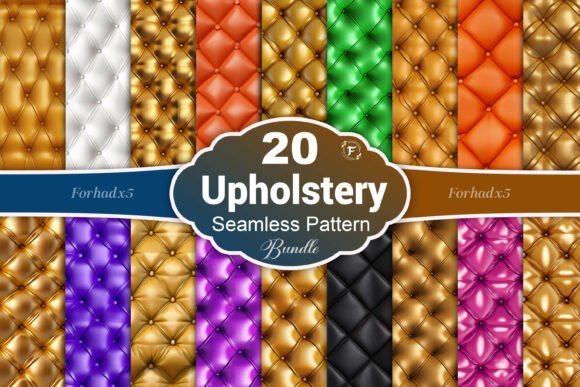
Historically, incorporating realistic textures into design projects was a labor-intensive process. Designers often had to photograph materials themselves, light them perfectly, and then spend hours editing out seams and inconsistencies to create a tileable image. Today, access to curated collections like the Upholstery Leather Seamless Pattern Bundle streamlines this workflow significantly. These assets are pre-processed to ensure flawless repetition, meaning the left edge matches the right, and the top aligns with the bottom. This technical precision is crucial for maintaining professional standards, especially when scaling designs for large-format printing or expansive web backgrounds.
Modern workflows prioritize speed without sacrificing quality. Whether you are a freelancer managing tight deadlines or a business owner launching a new product line, the ability to drag and drop a 2400×2400 pixel high-resolution file into your software saves valuable time. The RGB color format ensures compatibility across digital platforms, while the high DPI potential of these files supports crisp output for physical goods. As remote collaboration becomes standard, having a shared library of reliable, high-fidelity assets ensures that all team members, regardless of location, are working with consistent visual elements.
Diverse Applications in Print-on-Demand and Apparel
The rise of the print-on-demand (POD) industry has democratized product creation, allowing individuals to sell custom goods without holding inventory. In this competitive space, differentiation is key. An upholstery leather seamless pattern can transform a basic t-shirt or tote bag into a statement piece that suggests durability and style. For apparel, these textures work exceptionally well on hoodies and jackets where the visual weight of leather complements the garment's structure.
Beyond clothing, accessories benefit immensely from these textures. Phone cases and laptop sleeves are high-touch items where users appreciate a grip-enhancing, sophisticated look. By applying a photorealistic pebbled or quilted leather pattern, sellers can offer products that mimic the feel of high-end tech accessories at a fraction of the cost. Home décor items, such as throw pillows, also gain a luxurious upgrade. A seamless pattern allows the design to wrap around the pillow cover naturally, avoiding awkward cuts or misaligned grains that can detract from the final product's appeal.
Elevating Brand Identity Through Packaging and Stationery
First impressions matter, particularly in branding. Packaging is often the first physical interaction a customer has with a brand, and the texture of that packaging communicates volume about the company's values. Utilizing realistic leather textures for logo backgrounds, business cards, or hang tags can instill a sense of heritage and quality. For instance, a distillery or a boutique grooming brand might use a distressed leather background on their labels to evoke tradition and ruggedness, while a financial consultancy might opt for a smooth, dark leather texture to convey stability and professionalism.
Luxury stationery is another avenue where these patterns shine. Planners, journals, and invitations printed with a subtle leather grain feel more substantial and valuable in the hand. This tactile illusion enhances the perceived value of the item, encouraging customers to keep and use the product longer. For businesses, this means higher brand retention and a stronger emotional connection with their audience. The versatility of a 20-file bundle allows brands to experiment with different finishes—stitched edges for a handmade feel or clean, smooth surfaces for a modern minimalist approach—without committing to expensive custom material sourcing.
Enhancing Digital Projects and Creative Crafts
While physical applications are prominent, the utility of seamless leather patterns extends deeply into the digital realm. Web designers frequently use textured backgrounds to break up the monotony of flat design. A subtle leather grain can add warmth to a website header or a landing page section, making the interface feel more inviting and less sterile. Because the patterns are seamless, they load efficiently and adapt to various screen sizes without losing their structural integrity.
In the world of digital scrapbooking and paper crafts, these textures offer endless creative possibilities. Hobbyists creating digital planners, printable cards, or invitation suites can layer leather patterns to create depth and interest. The high resolution of 2400×2400 pixels ensures that even when zoomed in for detailed crafting, the texture remains sharp and defined. This level of detail is vital for DIY enthusiasts who pride themselves on the quality of their creations. Furthermore, the variety within a bundle—ranging from classic upholstery to trendy quilted styles—allows crafters to match specific themes, such as vintage automotive, rustic cabin, or chic urban fashion.
Practical Considerations for Implementation
To maximize the potential of an upholstery leather seamless pattern, understanding how to manipulate these files is essential. While they are designed to be tileable, effective use often involves adjusting scale, opacity, and blending modes. In photo editing software, overlaying a leather texture with a "Multiply" or "Overlay" blend mode can impart the grain onto existing colors without obscuring underlying details. This technique is particularly useful for mockups, where a designer wants to show how a logo would look embossed into leather.
Color correction is another critical step. Although the files come in RGB, real-world leather comes in a vast spectrum of hues. Designers should feel empowered to hue-shift these textures to match specific brand palettes. A classic tan leather can be shifted to a deep oxblood or a sleek charcoal grey to fit a darker theme. The key is to maintain the integrity of the lighting and shadows within the texture; altering the brightness too drastically can flatten the image, removing the 3D effect that makes it look realistic.
Meeting Market Expectations for Authenticity
Current market trends indicate a strong preference for authenticity. Consumers are savvy; they can easily spot low-resolution, repetitive, or obviously fake textures. This is why investing in a premium bundle with photorealistic qualities is a strategic move. The inclusion of imperfections—such as natural grain variations, subtle scuffs in distressed versions, or precise stitching details—adds a layer of believability that generic patterns lack. These nuances signal to the viewer that care was taken in the design process, fostering trust in the final product.
Moreover, the shift towards sustainable design practices makes digital faux leather an attractive option. It allows designers to achieve the aesthetic of leather without using animal products or resource-intensive manufacturing processes for prototypes. This aligns with the values of a growing segment of the population that prioritizes eco-friendly choices. By using high-quality digital textures, creators can present a luxury image while adhering to ethical standards, a balance that is increasingly important in modern marketing narratives.
Ultimately, the Upholstery Leather Seamless Pattern Bundle serves as a versatile toolkit for the contemporary creator. Whether applied to a line of POD apparel, a rebranding effort for a local business, or a personal digital art project, these textures provide the foundation for sophisticated design. They eliminate the technical hurdles of creating seamless loops from scratch and offer a breadth of styles to suit diverse needs. As design tools become more accessible, the differentiator often lies in the quality of assets used. By integrating realistic, high-resolution leather patterns, professionals and hobbyists alike can elevate their work, meeting the high expectations of today's visually driven marketplace.